- Esthetic - Dental implants look and feel like your own teeth! Since dental implants integrate into the structure of your bone, they prevent the bone loss and gum recession that often accompany bridgework and dentures. No one will ever know that you have a replacement tooth.
- Tooth-saving - Dental implants don't sacrifice the quality of your adjacent teeth like a bridge does because neighboring teeth are not altered to support the implant. More of your own teeth are left untouched, a significant long-term benefit to your oral health!
- Confidence - Dental implants will allow you to once again speak and eat with comfort and confidence! They are secure and offer freedom from the irksome clicks and wobbles of dentures. They'll allow you to say goodbye to worries about misplaced dentures and messy pastes and glues.
- Reliable - The success rate of dental implants is highly predictable. They are considered an excellent option for tooth replacement.

Thursday, August 2, 2012
Advantages of Dental Implants Over Dentures or a Bridge
Every way you look at it, dental implants are a better solution to the problem of missing teeth.

Tuesday, June 12, 2012
"Try 5 Simple Steps to Prevent Periodontal Disease"
According to The AAP (American Academy of Periodontology), using these methods will increase your overall periodontal health.
According to The AAP (American Academy of Periodontology), using these methods will increase your overall periodontal health.
- Eat and Drink Up! Foods containing omega-3, calcium, vitamin D and even honey have been shown to reduce periodontal disease.
- Hit the Gym! Frequent exercise is a recognize way to avoid being overweight, but researchers also found that people who exercise on a regular basis have less periodontitis.
- Stress Less! Stress can actually lead to periodontal disease. Increased levels of cortisol are released when experiencing stress, and can intensify the destruction of the gums and bone due to periodontal disease.
- Kick the Bad Habit! Smoking is not only a leading cause of respiratory and cardiovascular disease in the U.S., it is also a major factor for periodontal disease.
- See Your Doctor! Regular check-ups by a physician can help with early diagnosis of several health issues, including periodontal disease. Research shows that gum disease is associated with diseases such as diabetes, cardiovascular disease and rheumatoid arthritis. Having a healthy relationship with your doctor can help prevent periodontitis.
Tuesday, April 3, 2012
Periodontal Disease
Gum disease, is the process that
begins when bacterial growth in your mouth begins to lead to the corrosion of
your teeth and gums. If left untreated, long-term effects include extensive gum
deterioration, along with early tooth loss.
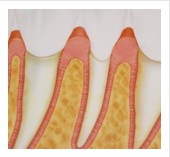
There are two stages in gum disease of which include: gingivitis (gum inflammation) followed by periodontitis (gum disease). Within the stages of gingivitis, the bacteria in hardened plaque pockets build up causing the gums to become irritated and swell. When brushing your gums may appear red or may bleed easily. Despite gum irritation, the roots of your teeth are still firmly in their place.
If left untreated, gingivitis can progress into periodontitis. During this process, the gums begin to pull away from the tooth creating pockets where bacteria can collect and spread. Toxins produced by the bacteria, along with enzymes present in your body’s natural defense of infections, begin to eat at the bone and tissue that anchor your tooth. As the process continues, the corrosion spreads and more gum tissue and bone are damaged. When this happens, teeth are no longer anchored in place, thus resulting in permanent tooth loss.
While tartar buildup is the leading cause of gum disease, there are additional contributing factors. Some of these include: illnesses that affect the immune system (HIV, diabetes), poor lifestyle habits such as smoking or a diet high in sugar, poor oral hygiene habits or a family history of periodontal disease.
Some symptoms of gum disease include:
If you live in or around Burbank and you suspect you may be in need of gum disease treatment or if you have any questions, contact us or fill out an appointment request form today to schedule a consultation with one of our periodontists. Our specialists are experts in evaluating your oral health and will advise you along the appropriate treatment process.
There are two stages in gum disease of which include: gingivitis (gum inflammation) followed by periodontitis (gum disease). Within the stages of gingivitis, the bacteria in hardened plaque pockets build up causing the gums to become irritated and swell. When brushing your gums may appear red or may bleed easily. Despite gum irritation, the roots of your teeth are still firmly in their place.
If left untreated, gingivitis can progress into periodontitis. During this process, the gums begin to pull away from the tooth creating pockets where bacteria can collect and spread. Toxins produced by the bacteria, along with enzymes present in your body’s natural defense of infections, begin to eat at the bone and tissue that anchor your tooth. As the process continues, the corrosion spreads and more gum tissue and bone are damaged. When this happens, teeth are no longer anchored in place, thus resulting in permanent tooth loss.
While tartar buildup is the leading cause of gum disease, there are additional contributing factors. Some of these include: illnesses that affect the immune system (HIV, diabetes), poor lifestyle habits such as smoking or a diet high in sugar, poor oral hygiene habits or a family history of periodontal disease.
Some symptoms of gum disease include:
- Gums that are susceptible to bleeding
- Red, swollen, or tender gums
- Persistent bad breath (halitosis)
- A receding gum line
- Loose or shifting teeth
If you live in or around Burbank and you suspect you may be in need of gum disease treatment or if you have any questions, contact us or fill out an appointment request form today to schedule a consultation with one of our periodontists. Our specialists are experts in evaluating your oral health and will advise you along the appropriate treatment process.
Our office offers these Periodontal Services
Non-Surgical
|
Periodontics
|
Subscribe to:
Posts (Atom)